
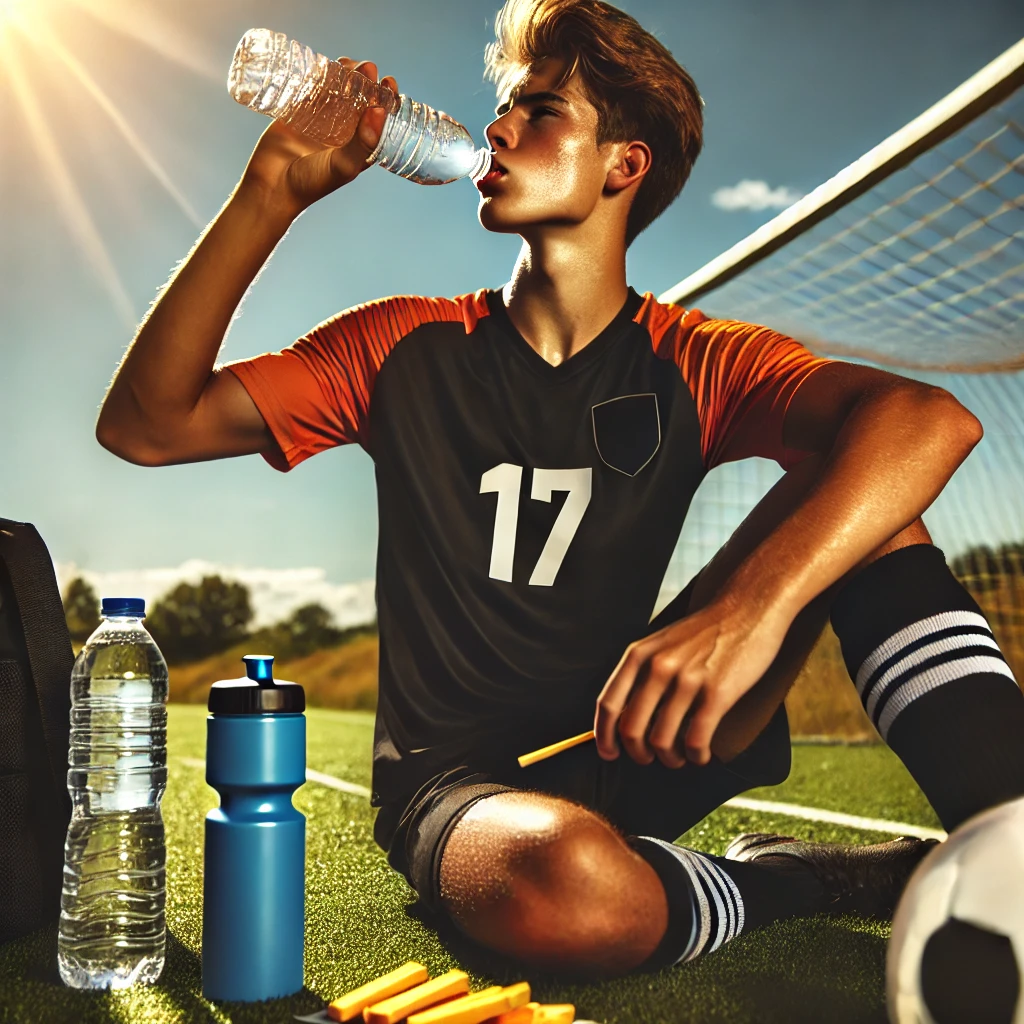
Staying hydrated may seem simple, but it’s one of the most overlooked factors in soccer performance. Even mild dehydration can cause cramps, fatigue, slow reaction times, and poor focus—none of which you want on the field. In fact, it’s one of the most common nutrition mistakes teen athletes make, especially when they wait until they’re already thirsty to hydrate.
So how much water do soccer players actually need? And when should you drink it? Here’s a breakdown of hydration tips to keep players at Greater Latrobe feeling sharp, strong, and game-ready.
💧 Why Hydration Matters for Soccer Players
Soccer is a high-intensity sport with constant movement, especially during hot weather or long matches. When you sweat, you lose both fluids and electrolytes—like sodium and potassium—that are essential for muscle function and energy.
Even being just 1-2% dehydrated can negatively affect performance. The earlier you start hydrating, the better.
📅 Daily Hydration Goals (Off the Field)
Hydration isn’t just a game day thing—it’s an everyday habit. Teen athletes should aim for:
- Girls (ages 14–18): ~2.3 liters/day (about 10 cups)
- Boys (ages 14–18): ~3.3 liters/day (about 14 cups)
- (For reference, here’s the Mayo Clinic’s daily water intake guide.)
This includes water from drinks AND foods like fruits and vegetables.
Tip: Carry a refillable water bottle during the school day and refill it between classes or meals.
🏟️ Game Day & Practice Hydration Plan
✅ Before the Game:
- Start hydrating at least 2 hours before kickoff
- Drink about 16–20 oz (2–2.5 cups) of water during this time
✅ During the Game:
- Take water breaks every 15–20 minutes when possible
- Sip 4–8 oz (a few gulps) each break
✅ After the Game:
- Rehydrate with water or a sports drink if sweating heavily
- Aim for 16–24 oz (2–3 cups) of fluid within an hour of the match
🥤 Water vs. Sports Drinks
Water is the best everyday option. But for games in hot weather, intense training, or when sweat loss is high, a sports drink with electrolytes can help replace what’s lost.
Avoid energy drinks or sodas—they’re often loaded with caffeine and sugar, which can make dehydration worse.
🚨 Signs of Dehydration
- Dry mouth or lips
- Dark yellow urine
- Fatigue or dizziness
- Headache or muscle cramps
If you’re already thirsty, you’re already playing catch-up. Stay ahead of dehydration by drinking consistently throughout the day.
💪 Hydrate Like a Champion
Staying hydrated is one of the easiest ways to boost performance and reduce the risk of injuries or heat-related issues. Soccer players who drink enough water not only feel better—they play better.
So fill those bottles, take those water breaks, and fuel your season with smart nutrition on and off the field.
For more hydration and nutrition info from trusted sources, check out the CDC’s guide to healthy drinks and how they support athlete performance.
Comments
One response to “Hydration Tips for Soccer Players: How Much Water Do You Really Need?”
[…] Stay Hydrated: Fuel Your Performance […]