
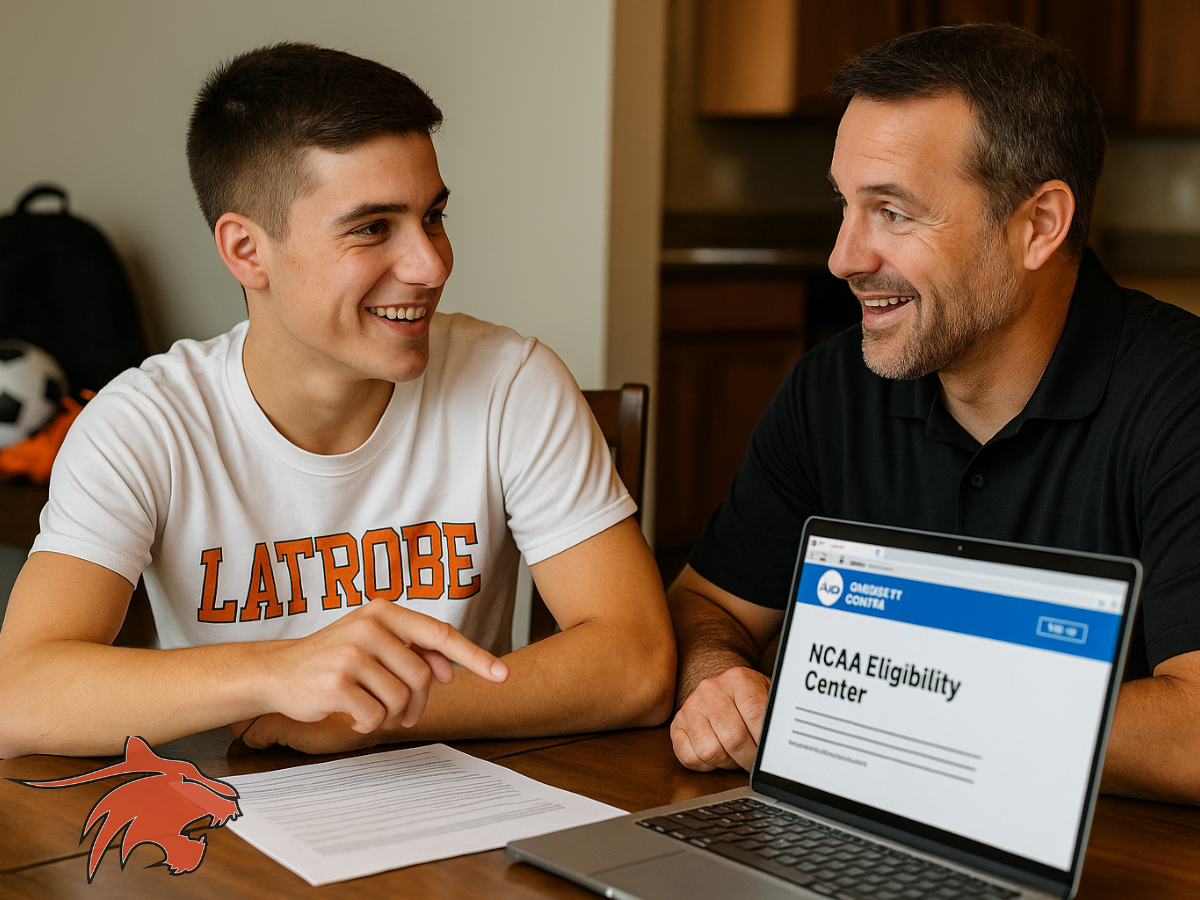
NCAA eligibility for high school soccer players is one of the most important—but often overlooked—steps in the recruiting journey. As a parent, it’s natural to focus on camps, highlight videos, and coach communication. But if your player dreams of competing at the college level, there’s one box that must be checked first: NCAA eligibility.
This guide walks you through the core academic requirements, registration steps, and must-know resources to ensure your athlete is eligible—and ready—when college coaches come calling.
✅ What Is NCAA Eligibility?
To play Division I or II college soccer, student-athletes must meet NCAA eligibility requirements, which ensure they’re academically prepared for college and competing fairly. These rules are set by the NCAA and verified through the NCAA Eligibility Center.
Think of it as a checklist of coursework, GPA, test scores (if applicable), and amateur status—completely separate from getting into college or being recruited.
✅ Who Needs to Register?
- Division I or II bound athletes must register with the NCAA Eligibility Center and meet all academic standards.
- Division III or NAIA athletes do not need to register with the NCAA—but may have other requirements.
If your player is considering even the possibility of Division I or II play, it’s better to register early.
Academic Eligibility Checklist
The NCAA’s minimum requirements can change slightly each year, but as of 2025, your student-athlete must:
- Complete 16 NCAA-approved core courses
- Earn a minimum GPA in those courses (typically 2.3 for DI, 2.2 for DII)
- Submit ACT or SAT scores (only if required by the school—most are test-optional)
- Graduate high school on time
Courses like Physical Education, Health, or Career Prep typically do not count. Stick to core classes: English, math, science, social studies, and foreign language.
Search your high school’s list of approved NCAA courses here.
When Should You Register?
According to the NCAA, student-athletes should register during sophomore or junior year—especially if they’ll attend ID clinics or be scouted. This gives coaches a chance to check your eligibility status early.
Registration takes about 30 minutes and includes entering coursework, test scores (if any), and payment of a one-time fee (waivers are available).
Start registration at eligibilitycenter.org.
What About Dual Enrollment or College in High School?
Great question—and one coaches are asking too. While both options may strengthen your student’s application, the NCAA may not count certain dual enrollment credits unless they’re clearly tied to high school graduation and approved by your district.
Coach Andrew DiDonato from Grove City College notes, “There’s a difference between College in High School and true Dual Enrollment. One doesn’t always count for the NCAA. Make sure your counselor knows what you’re doing and that it appears correctly on your transcript.”
NCAA Eligibility Resources for Parents
- 2024–25 NCAA Guide for the College-Bound Student-Athlete (PDF)
- NCAA High School Course Search Tool
- College Soccer Recruiting Guide
🚫 What If Your Player Isn’t Eligible Yet?
If your player’s GPA or coursework isn’t quite where it needs to be, don’t panic—but act early. Talk to your school counselor about summer credit recovery, online NCAA-approved classes, or modifying future schedules to include more core courses.
Also, many junior colleges (NJCAA) offer competitive soccer and open doors for later transfer to NCAA programs. There’s more than one path to college soccer—eligibility is just the starting line.
Final Whistle
Don’t let paperwork be the reason your player misses out. Ensuring NCAA eligibility for high school soccer players is one of the most important steps in the recruiting process—and one that’s 100% in your control.
Work with your school counselor, double-check your courses, and register with the NCAA Eligibility Center early. For more recruiting tips, timelines, and coach-approved strategies, check out our full College Soccer Recruiting Guide.
Comments