
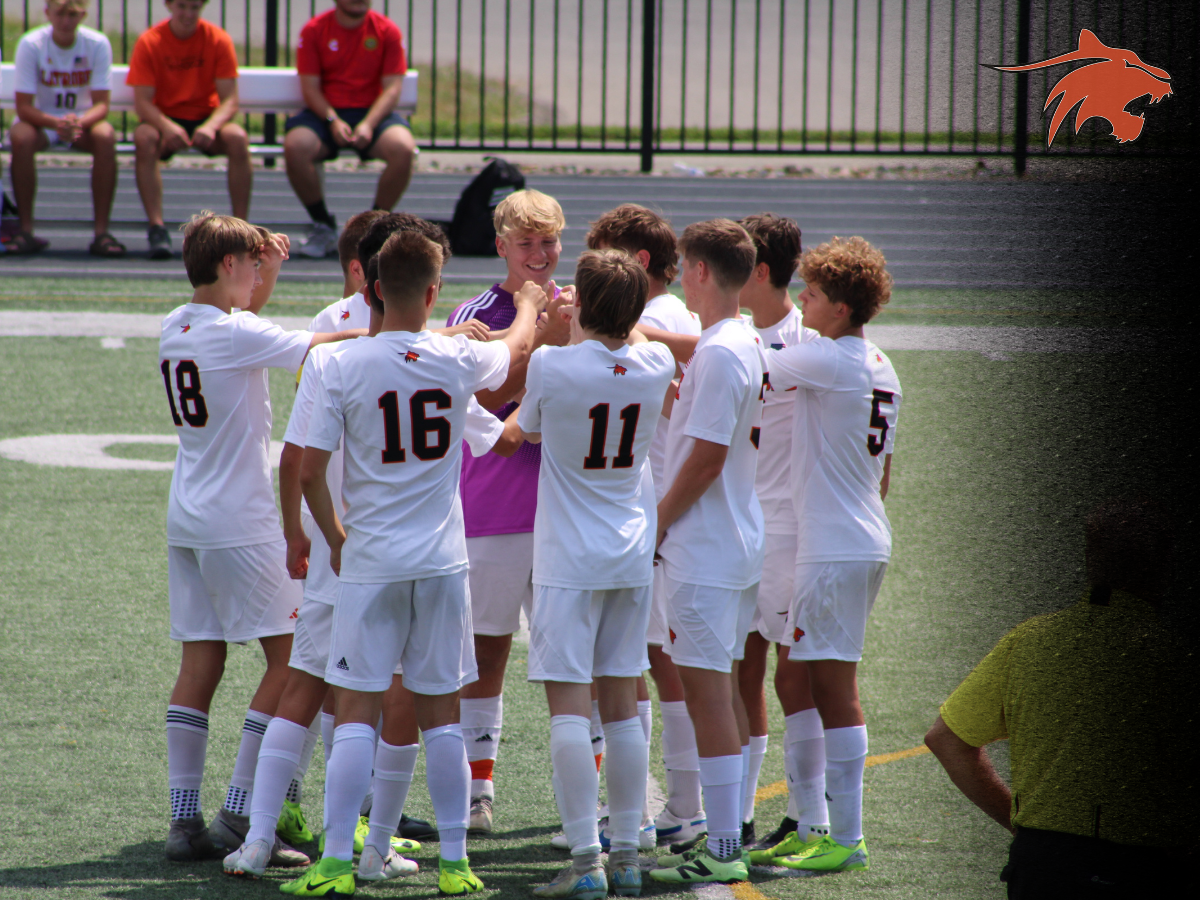
Strong team chemistry in soccer is what turns a group of individual players into a winning unit. By mid-season, teams have already experienced ups and downs—injuries, tough losses, big wins, new lineups. This is when chemistry matters most. Players need trust, communication, and a shared purpose to keep momentum heading into the second half of the season.
Here are ten proven secrets to building stronger bonds and improving performance together—even when the season is already underway.
1. Establish Clear Roles
Confusion kills chemistry. When every player knows their role—whether starting, rotating, or supporting—the team functions more smoothly. Coaches should define expectations, but players must also respect and embrace their assignments.
2. Celebrate Small Wins
Not every victory shows on the scoreboard. Celebrate defensive stops, great communication, or a well-executed set play. These “mini victories” build confidence and highlight teamwork as much as goals do.
3. Prioritize Communication
Teams thrive when players talk—on the field and off. On-field calls like “man on” or “switch” should become second nature. Off the field, check-ins and encouragement build trust. Great communication reduces mistakes and strengthens chemistry.
4. Emphasize Shared Goals
Mid-season can feel long. Re-center the group around shared goals: reaching playoffs, beating rivals, improving stats, or building lasting relationships. Having a unifying target keeps motivation high.
5. Build Trust Through Accountability
Players respect teammates who show up on time, give full effort, and take responsibility for mistakes. Trust grows when athletes hold themselves—and each other—accountable. Accountability is the backbone of chemistry.
6. Create Off-Field Connections
Stronger bonds form away from the pitch. Team dinners, movie nights, or volunteering together make athletes feel like family. Parents and booster clubs can support by organizing these off-field connections.
👉 Related: Why Team Camps Matter: Building Chemistry in the Off-Season
7. Highlight Leadership—Not Just Captains
Captains set the tone, but every player can lead. Encourage seniors to mentor underclassmen and remind athletes that small acts of leadership—encouraging words, high fives, extra hustle—are just as powerful.
8. Keep Practices Competitive Yet Supportive
Healthy competition pushes athletes to improve, but negativity tears teams apart. Design drills that challenge players while rewarding teamwork. Coaches and teammates should model supportive competition that sharpens skills and strengthens bonds.
9. Use Rituals and Traditions
Pre-game chants, team huddles, or even shared meals after games build culture. These rituals become traditions that connect players across seasons and create a sense of belonging that fuels chemistry.
10. Maintain Positivity Through Adversity
Every team faces setbacks—losses, bad calls, tough opponents. Chemistry shines when players stay positive, encourage one another, and push forward together. Resilience in adversity is the hallmark of a united team.
Conclusion: Team Chemistry Wins Games
By mid-season, physical skills are only part of the equation. Teams that communicate, trust, and play for one another often outperform more talented opponents. Building team chemistry in soccer requires effort both on and off the field—but it pays off in stronger performances, better memories, and lasting friendships.
For players and parents, remember: chemistry is built daily. Whether through encouragement, accountability, or shared traditions, every action contributes to a stronger, more connected team.
FAQ: Building Team Chemistry in Soccer
How can younger players contribute to chemistry?
By showing effort, listening to leaders, and bringing positivity. Enthusiasm is contagious and helps veterans feel energized.
Do team-building activities really work mid-season?
Yes. Even simple events like shared meals or group warm-ups reinforce bonds and reset team spirit when fatigue sets in.
What’s the biggest threat to chemistry?
Negativity—complaining about playing time, blaming teammates, or focusing only on results. Positivity keeps everyone rowing in the same direction.
Comments